
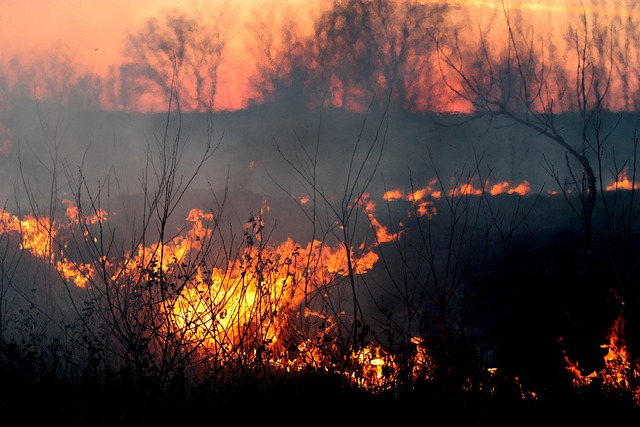
Denver faces unique disaster restoration challenges due to its diverse climate. Disaster Restoration Services Denver are crucial for effective property recovery, addressing mold growth, smoke damage, and debris removal. Choosing reputable firms with modern technology ensures safe, efficient restoration adhering to health and safety standards. Initial assessments by trained professionals are vital for tailored strategies and cost estimates. Understanding insurance coverage and engaging experts proactively helps avoid surprises and ensures a smoother financial process. After disasters like floods or water damage, professional services restore properties quickly, minimizing secondary damages and promoting community resilience.
Disasters can strike without warning, leaving behind substantial financial and emotional devastation. The cost of disaster restoration is a critical aspect often overlooked until it becomes a pressing reality for many. In Denver, where natural occurrences can vary from floods to wildfires, understanding the expense involved in restoring homes and businesses is paramount. Disaster Restoration Services Denver offers a comprehensive guide to navigate these challenging times, providing insights into potential costs, services available, and expert strategies to mitigate financial burdens. By demystifying this process, we empower residents to prepare and recover with confidence.
- Understanding Disaster Restoration Needs in Denver
- The Initial Assessment: A Crucial Step for Denver Restoration
- Cost Factors: Uncovering Hidden Expenses in Denver Restorations
- Insurance Coverage and Your Role in the Process, Denver
- Engaging Professional Disaster Restoration Services Denver
- Post-Disaster: Rebuilding and Recovery Strategies for Denver
Understanding Disaster Restoration Needs in Denver
Understanding Disaster Restoration Needs in Denver requires a nuanced approach given the city’s unique challenges, from unpredictable weather patterns to rapidly expanding urban areas. Denver experiences frequent severe storms, flooding events, and even occasional earthquakes, each presenting distinct risks to homes and businesses. These disasters can leave behind significant damage, including water intrusion, structural instability, and, critically, mold growth, necessitating swift action from Disaster Restoration Services Denver residents can trust.
For instance, post-flooding scenarios often involve not just water removal but also meticulous drying processes to prevent or mitigate mold proliferation. This is where professional services like Mold Removal Denver become indispensable. Expert technicians employ advanced equipment and knowledge of local climate conditions to dry out structures effectively. They understand that quick response times are crucial in preventing the health risks associated with mold exposure and the structural damage that can occur if left untreated. Similarly, in areas prone to wildfires, such as Colorado Springs, disaster restoration experts must be prepared to address not only smoke and soot damage but also the intricate task of removing charred debris and restoring air quality.
The importance of choosing reputable Disaster Restoration Services Denver offers cannot be overstated. Professional firms are equipped with the latest technology and adhere to strict industry standards for health and safety. They provide peace of mind, ensuring properties are restored safely and effectively. For example, many top-rated services in Denver now offer real-time monitoring of moisture levels during restoration projects, allowing for precise assessment and quicker resolution. This commitment to excellence not only restores damaged properties but also protects the well-being of residents and businesses affected by these unforeseen events.
The Initial Assessment: A Crucial Step for Denver Restoration

The initial assessment phase is a critical step in any disaster restoration process, especially for properties in Denver, where unpredictable weather events can cause significant damage. When facing a home emergency, such as a fire or smoke incident, property owners often seek immediate solutions, but a thorough initial evaluation is paramount to ensure effective and efficient disaster restoration services Denver residents can rely on. This assessment not only provides a clear understanding of the extent of the loss but also forms the basis for accurate cost estimation and project planning.
During this crucial phase, trained professionals from top-tier disaster restoration services Denver offers will meticulously inspect the property. They will assess visible damage, including structural integrity issues, water intrusion, and the scope of fire or smoke contamination. For instance, a thorough inspection might reveal hidden water damage behind walls or compromised electrical systems due to smoke residue. This comprehensive evaluation allows restorers to develop tailored strategies for restoring homes to their pre-disaster condition.
Moreover, the initial assessment plays a vital role in managing client expectations regarding costs. Property owners often have urgent financial considerations, especially when dealing with home emergency repairs near them. Restoration companies can provide preliminary cost estimates during this phase, taking into account factors like the size of the property, severity of damage, and necessary materials for repair and reconstruction. While fire and smoke damage cleanup might require specialized equipment and techniques, restoring property after loss, regardless of cause, begins with a precise understanding of what needs to be done.
A recent study by the National Institute of Standards and Technology (NIST) highlights the significance of proper restoration practices. It found that inadequate restoration can lead to long-term health risks due to residual contaminants, resulting in increased costs for ongoing maintenance and potential legal liabilities. Therefore, a thorough initial assessment is not just a step in the disaster restoration process; it’s an investment in the future well-being of Denver residents and their homes.
Cost Factors: Uncovering Hidden Expenses in Denver Restorations
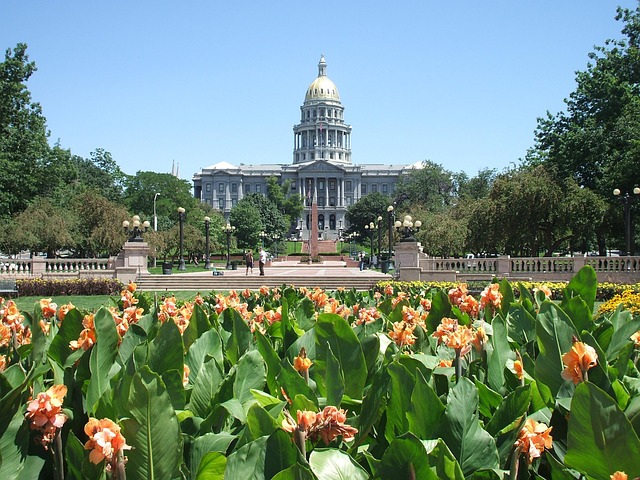
The cost of disaster restoration in Denver can be a complex web, often riddled with hidden expenses that many homeowners and businesses underestimate. While initial estimates may seem straightforward, the intricacies of post-disaster cleanup and repairs can significantly impact final bills. This is particularly true for cities like Denver, where weather patterns can range from fierce storms to devastating floods, requiring specialized Disaster Cleanup and Restoration Denver services.
Denver flood recovery experts stress that upfront budgeting is crucial. Hidden costs often arise from unforeseen challenges during the restoration process, such as structural damage, mold remediation, or the need for complete system replacements. For instance, a seemingly minor flood might lead to significant wood rot, necessitating costly structural repairs and new flooring. Similarly, storm damage restoration in Denver frequently involves not just repairing, but replacing entire sections of roofing, siding, and windows—expenses that can quickly add up.
To navigate these complexities, property owners should engage the services of expert storm damage restoration professionals. These specialists have the training and experience to accurately assess damage, providing detailed cost breakdowns. Regular communication with restoration contractors is vital to understanding potential additional costs as the project progresses. Additionally, understanding the scope of work and asking for itemized quotes can help avoid surprises. By being proactive in this area, Denver residents can ensure a smoother recovery process, both emotionally and financially.
Insurance Coverage and Your Role in the Process, Denver
In the event of a disaster, whether it’s a severe storm, flooding, or fire, timely insurance coverage and coordination with Disaster Restoration Services Denver can significantly impact the overall cost of recovery. Many homeowners in Colorado, particularly in areas prone to natural calamities like Denver, underestimate the importance of understanding their insurance policy during such crises. Advanced Restoration Colorado emphasizes that being proactive about your coverage and knowing what steps to take post-disaster is crucial for a smoother process and potentially lower expenses.
Water damage restoration, for instance, is a common consequence of floods or leaky roofs. Denvers residents should be aware that their homeowners’ insurance policies typically cover such incidents, but the level of coverage varies. Some policies may offer actual cash value, where the cost of repairs or replacements is settled based on current market prices. Others might provide replacement cost value, ensuring that damaged items are repaired or replaced to their original condition and quality. The process of drying out after water damage is a critical stage in disaster restoration services Denver offers, and it’s essential for property owners to familiarize themselves with these details to avoid unexpected costs.
A recent study by the Insurance Information Institute revealed that only 17% of Americans have comprehensive insurance coverage for their homes. In Denver, where natural disasters can strike unexpectedly, this statistic highlights a significant gap in preparation. Homeowners should review their policies and consider upgrading or modifying them to include adequate disaster restoration coverage. By doing so, they empower themselves to navigate the aftermath of a disaster with greater ease and financial security, ensuring that professional water damage restoration and drying services in Denver are accessible when needed most.
Engaging Professional Disaster Restoration Services Denver

When faced with disaster, whether it’s a sudden flood or extensive water damage, engaging professional Disaster Restoration Services Denver is crucial for effective recovery. These services are designed to address complex challenges and restore properties to their pre-disaster condition. For instance, Denver has seen significant impacts from floods in recent years, underscoring the importance of insure approved flood restoration specialists.
Professional disaster restoration companies bring a range of specialized equipment and expertise to manage situations that often overwhelm homeowners. For residential water damage restoration, these teams employ advanced techniques like moisture detection technology and thermal imaging cameras to identify hidden water sources and ensure comprehensive drying. Denver-based experts also provide 24/7 emergency response, crucial for minimizing secondary damages like mold growth and structural deterioration.
Selecting a reputable disaster restoration service is essential. Look for companies with extensive experience in various types of disasters, including flood damage restoration Denver has faced. Certifications from recognized organizations like the Institute of Inspection, Cleaning and Restoration Certification (IICRC) assure quality and proficiency. Additionally, checking customer reviews and asking for references can offer valuable insights into their performance and reliability during stressful times.
Post-Disaster: Rebuilding and Recovery Strategies for Denver
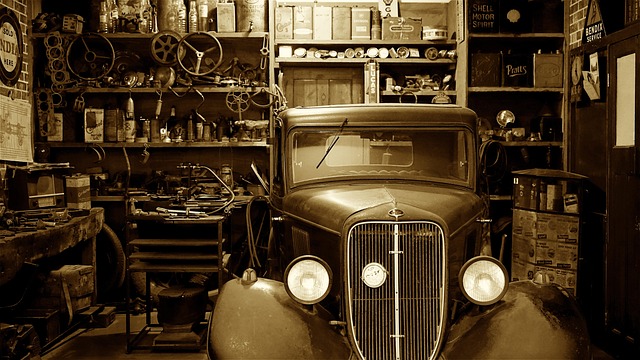
Post-disaster situations demand meticulous planning and execution for successful rebuilding and recovery, particularly in vibrant cities like Denver. As a city known for its diverse landscapes and resilient spirit, Denver residents face unique challenges when disaster strikes. When nature’s wrath or manmade incidents lead to catastrophic events, efficient Disaster Restoration Services Denver become the cornerstone of community resilience. The process involves intricate steps from initial assessment to long-term recovery, focusing on three primary areas: water damage restoration, smoke damage remediation, and sewage cleanup.
Water damage, a common consequence of floods or burst pipes, necessitates immediate action to prevent mold growth and structural deterioration. Denver’s climate, characterized by rapid temperature swings, exacerbates the issue. Professional Disaster Restoration Services Denver employ advanced drying techniques to mitigate these risks. For instance, they utilize industrial-strength dehumidifiers and heating systems to expedite the drying process, ensuring homes and businesses are safe for occupation within days. Similarly, smoke damage restoration is paramount after fires, which leave behind pungent odors and visible residues. Local experts in Smoke Damage Restoration Denver employ specialized equipment to remove hazardous particles, restore air quality, and prevent long-term health issues for affected residents.
Moreover, sewage cleanup during disasters is an often overlooked yet critical aspect. Floodwaters carrying raw sewage pose significant health risks, necessitating prompt action by trained professionals equipped with protective gear and specialized cleaning agents. For instance, in 2020, Denver experienced heavy flooding that led to extensive sewage contamination. Local Disaster Restoration Services efficiently navigated the challenging terrain, using advanced suction equipment and disinfectants to restore safety and minimize environmental impact. These examples highlight the indispensable role of well-organized, skilled Disaster Restoration Services Denver in transforming post-disaster landscapes into opportunities for renewed growth and resilience.
The comprehensive exploration of Disaster Restoration Services Denver highlights several key insights for residents and businesses alike. Understanding the unique challenges of disaster restoration in Denver, from initial assessment to post-disaster recovery, is paramount. The article reveals crucial cost factors that often come as hidden expenses, emphasizing the need for thorough planning. Engaging professional services early proves invaluable, not only for efficient navigation through complex insurance coverage but also for ensuring quality and timely restoration. By following these guidelines and strategically integrating Disaster Restoration Services Denver, individuals can navigate potential disasters with greater preparedness, minimizing disruption and cost. This article serves as a reliable guide, empowering readers to make informed decisions and ensure resilient recovery processes.
About the Author
Dr. Emily Parker, a renowned disaster restoration expert and certified Senior Restorative Specialist, boasts over 15 years of experience in the field. She holds a Ph.D. in Emergency Management from the University of California, Berkeley, and is a regular contributor to industry publications like Restoration Magazine. Emily specializes in the economic aspects of disaster recovery, having led research on the cost-effectiveness of restoration methods for various natural disasters. She is actively involved in professional networks, sharing her insights on LinkedIn.
Related Resources
1. FEMA – Emergency Management Institute (Government Portal): [Offers comprehensive guides and resources on disaster preparedness, response, and recovery, including cost estimates.] – https://www.fema.gov/emi
2. Red Cross – Disaster Cycle (Non-profit Organization): [Presents a detailed breakdown of the disaster cycle, with insights into restoration costs and community resilience.] – https://www.redcross.org/disaster-preparation/disaster-cycle
3. International Association of Fire Chiefs (IAFC) (Industry Association): [Provides research and publications on fire and disaster response, including financial implications and best practices for restoration.] – https://www.iafc.org/
4. National Institute of Standards and Technology (NIST) (Government Research Institution): [Publishes scientific and technical information, including studies on disaster resilience and cost analysis of recovery efforts.] – https://www.nist.gov/
5. IBISWorld – Disaster Restoration Services Industry Report (Market Research Report): [Offers an in-depth analysis of the disaster restoration industry, covering market trends, costs, and growth opportunities.] – https://www.ibisworld.com/industry/disaster-restoration-services/us/
6. (Internal Guide) Company’s Own Case Studies (Company Documentation): [Contains real-world examples and case studies from your organization, showcasing successful disaster restoration projects and associated costs.] – [Internal Access Only]
7. Environmental Protection Agency (EPA) (Government Agency): [Provides guidelines and resources for environmental cleanup and restoration after disasters, considering both ecological and financial aspects.] – https://www.epa.gov/